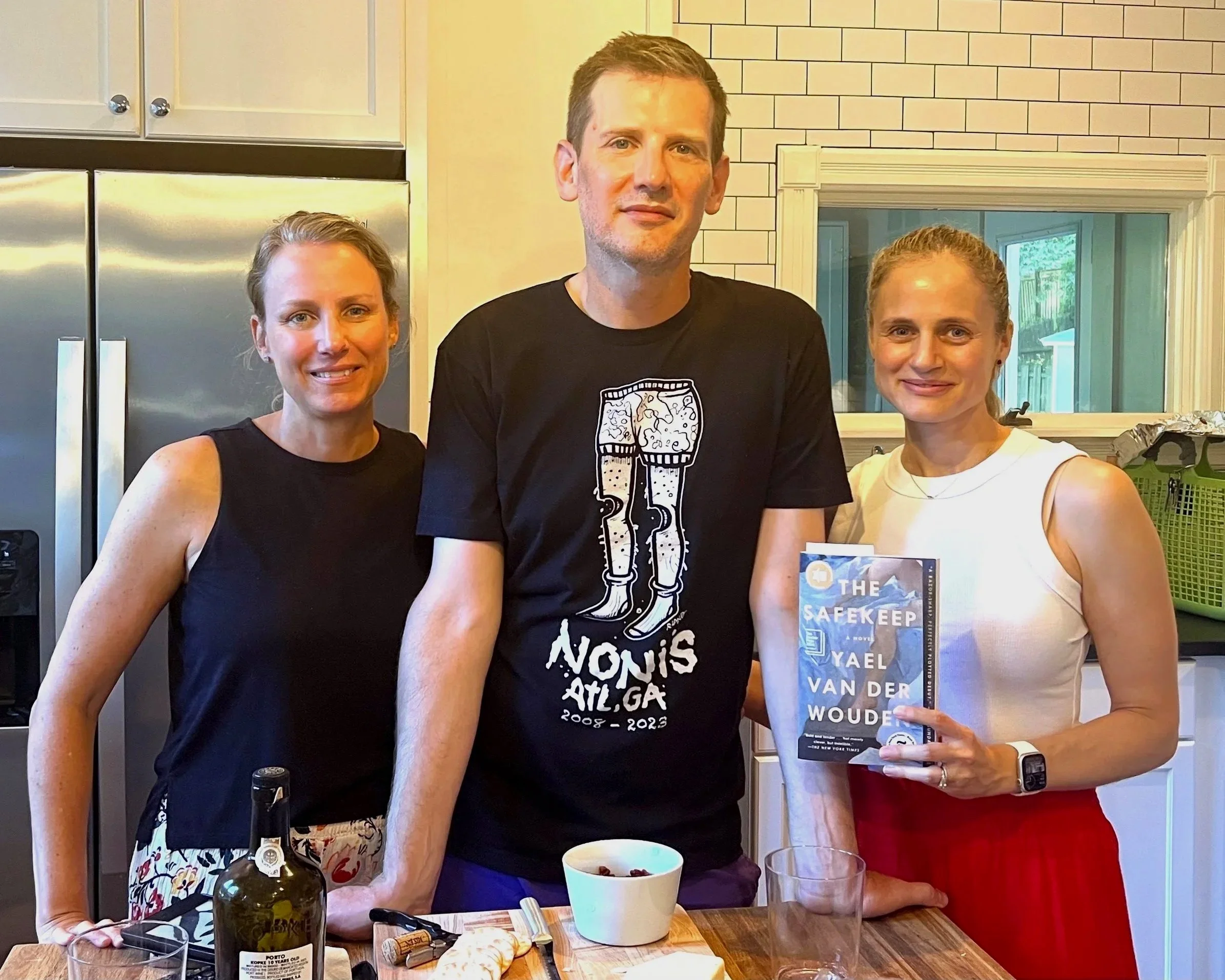
The Safekeep
Yael Van Der Wouden
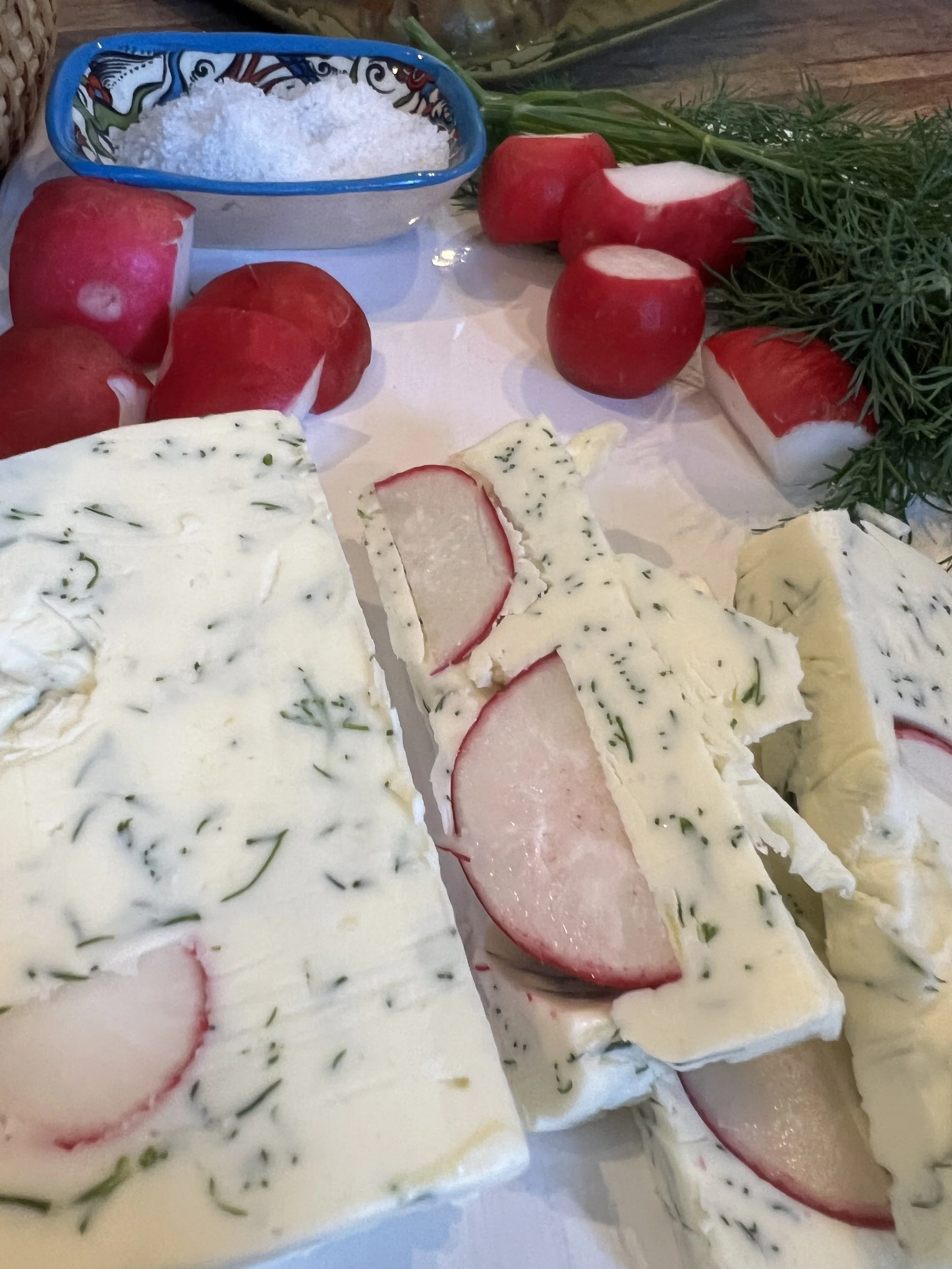
“Isabel found a broken piece of ceramic under the roots of a dead gourd. Spring had brought a shock of frost, and week of wet snow, and now—at the lip of summer—the vegetable garden was shrinking into itself. The beans, the radishes, the cauliflower: browned and rotting.” p. 2
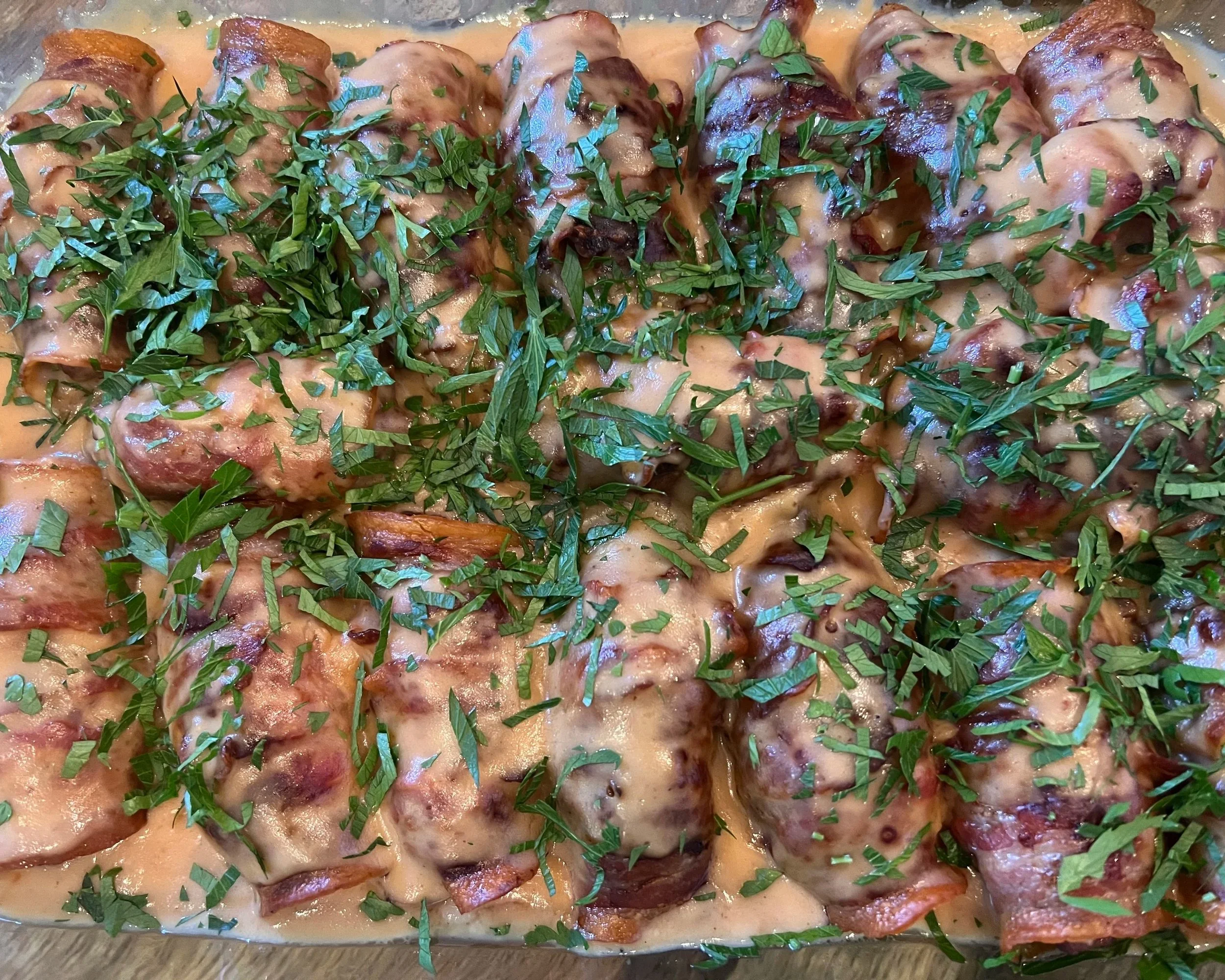
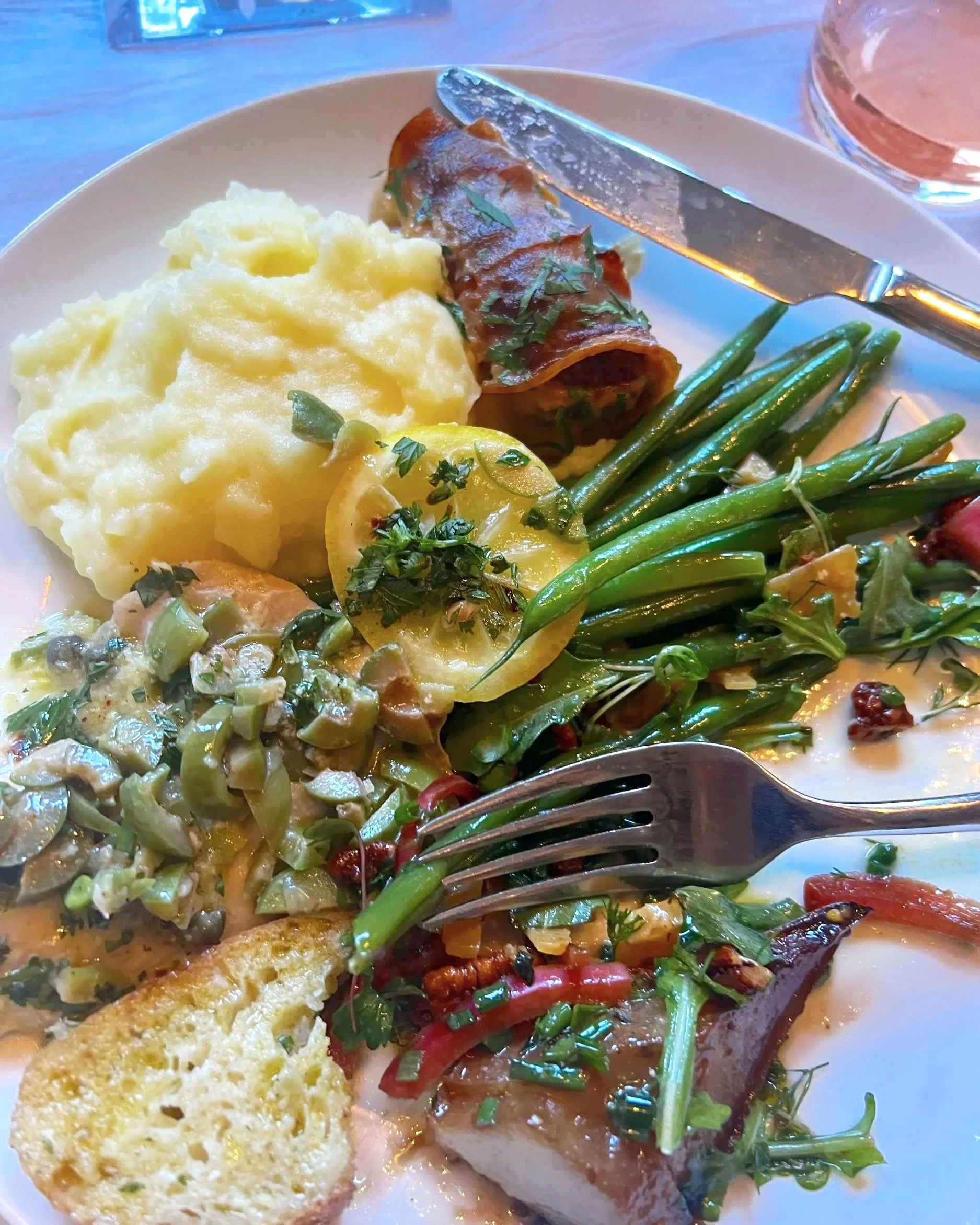
“Eva went upstairs. Neelke had made a mashed potato dish with pork slavinkjes and green beans.” p. 53
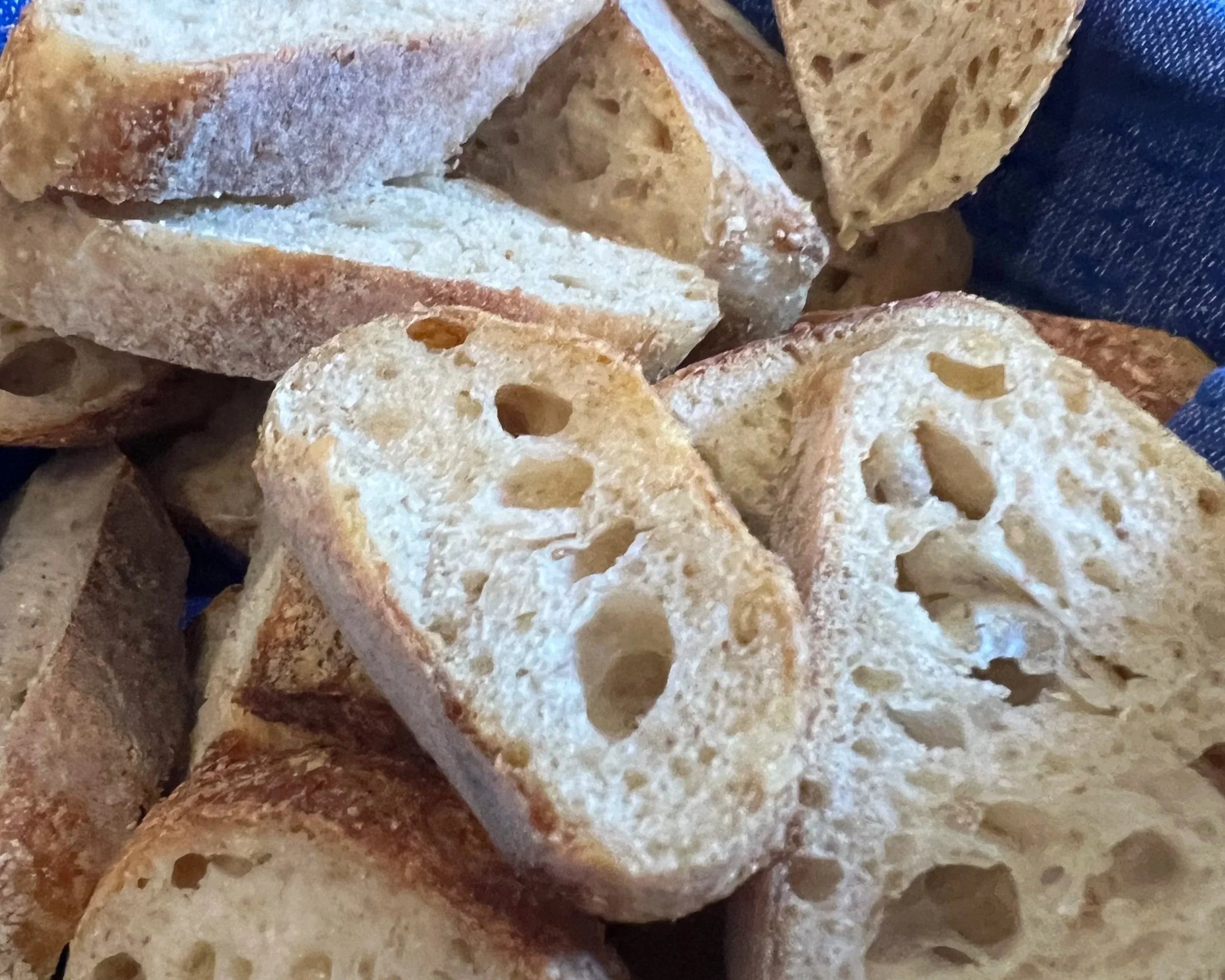
“Isabel ate the grapes. She poured Eva water, poured herself water. Bread, butter, cheese. Then she took everything and put it aside, and put a knee on the bed, and came in close. Eva’s breath went short and stuttering. Isabel pulled the sheet from her hold. Eva whispered a curse, whispered it again at Isabel’s cold hands on her waist.” p. 148
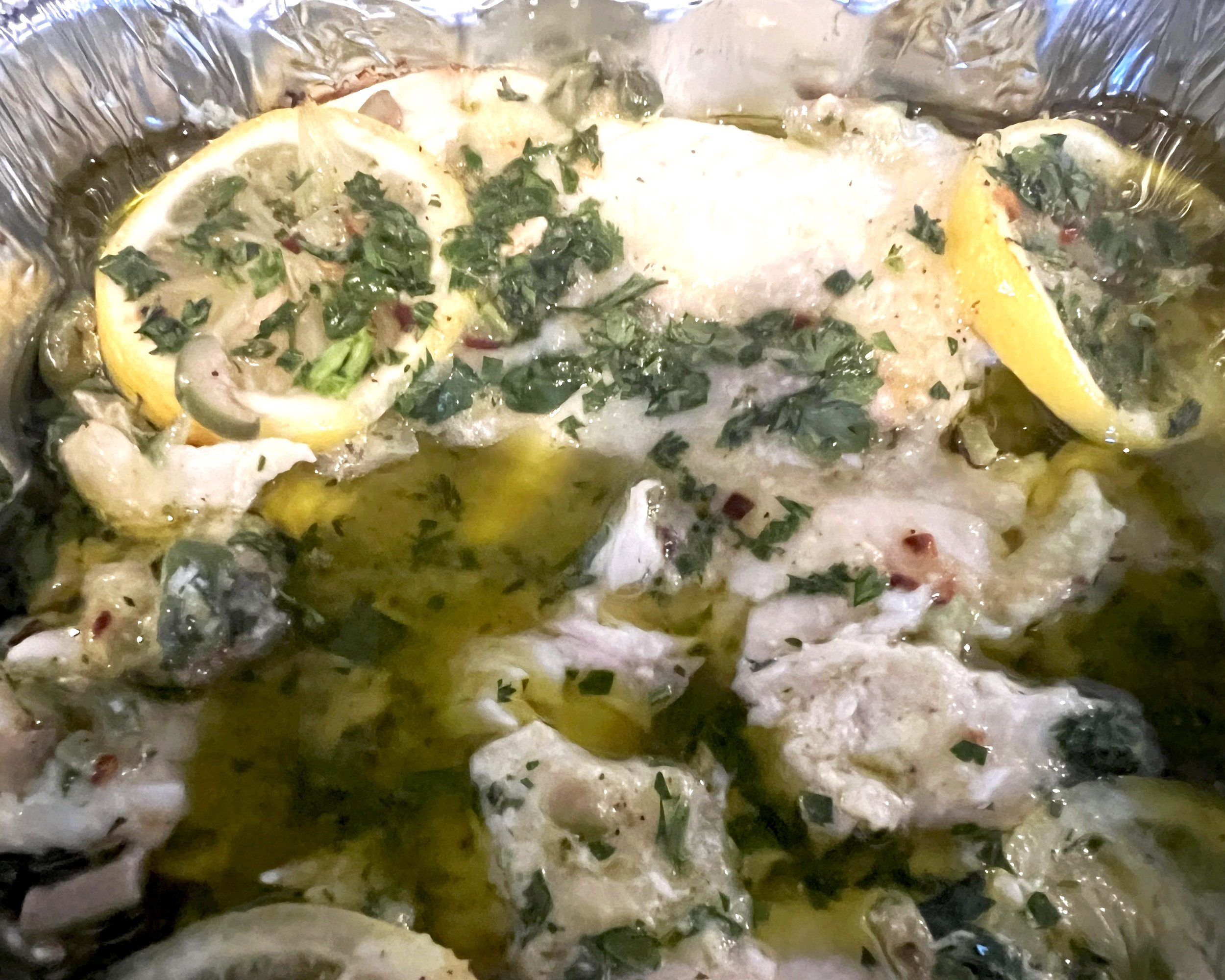
“The food arrived. Eva had ordered fish. She ate in a way Isabel had not seen her eat before: overly careful, elbows pulled in, each bone picked up between knife and fork and daintily left on the plate’s edge. She ate the fish one flake at a time. Her lipstick left an oily stain on the fork.” p. 162
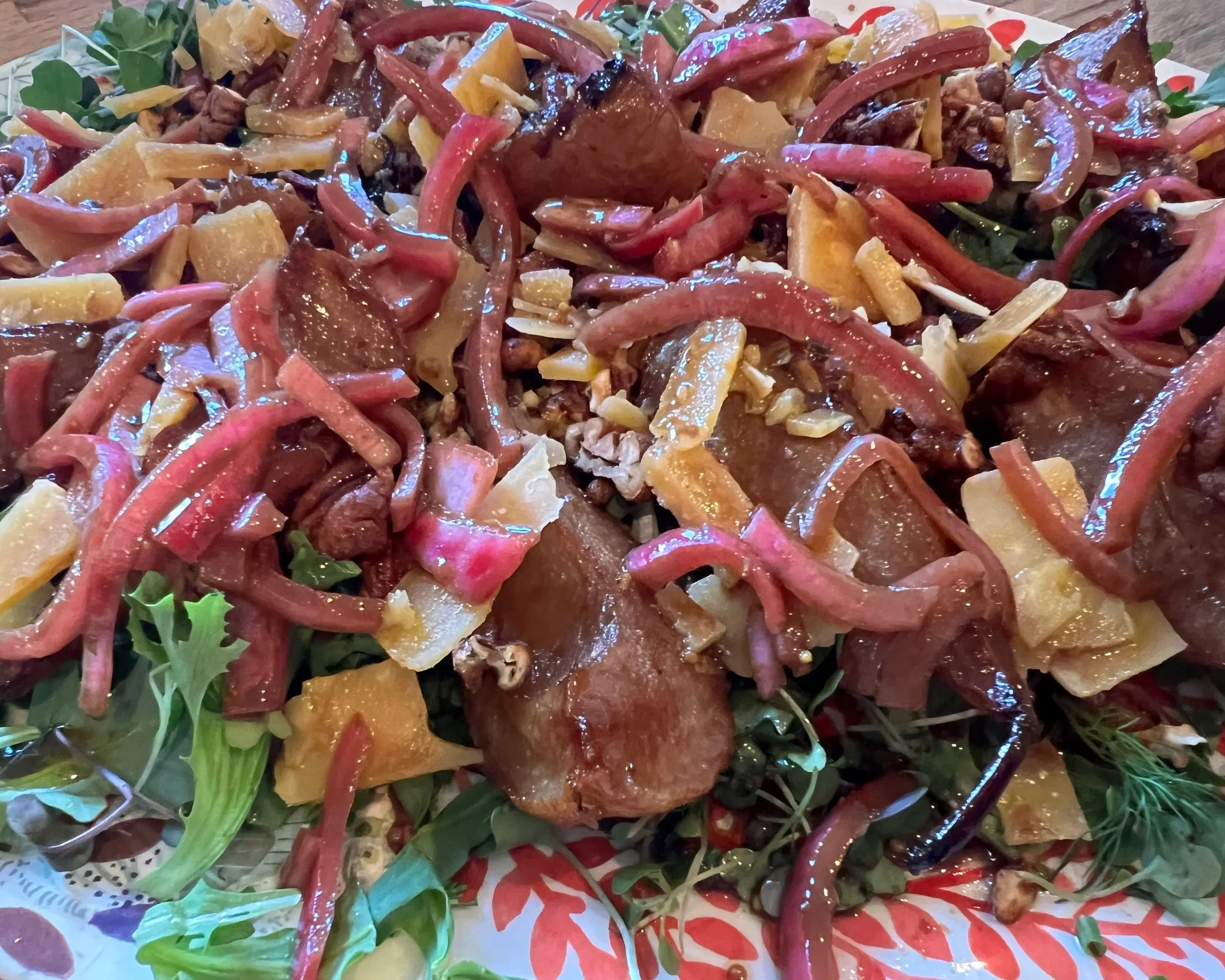
“There was another pear, left in the middle of the table, propped like a statue. Eva said, ‘I got one for you, too.’
Just the one. Not a bag of pears, or several for the fruit basket. Just the two: one for her, one for Isabel. I don’t want it, Isabel wanted to say. She said, “Thank you.” She took the pear. Put it in her pocket.
Eva looked amused. “You won’t eat it?”
“Later,” Isabel said, and then, with a few aborted movements, fled upstairs. In her bedroom, Isabel—sitting on the edge of her bed—held the pear in the cup of her hands. If she’d eat it now, she’d have to go downstairs to throw away the pits, the core. If she ate it later, Eva might walk by, see her eat it. She did not want Eva to see her eat it. She could throw the whole thing away. She could open the window and throw it away.
It was a water-heavy fruit, full-ripe. The first bite spilled on Isabel’s skirt. It wouldn’t show: the fabric was brown, checkered. There was no way of eating it in silence—the sounds it made, the wet. Isabel ate through the whole thing: the flesh and stick and pits and core and all. She made sure nothing was left of it, as though it had never been given in the first place.
Her arms were dripping. Wet all around her mouth. She had to wash her face in the basin afterward.
The spot on her skirt where the fruit had stained remained throughout the day, a cloying brush to the back of her hand.” p. 50
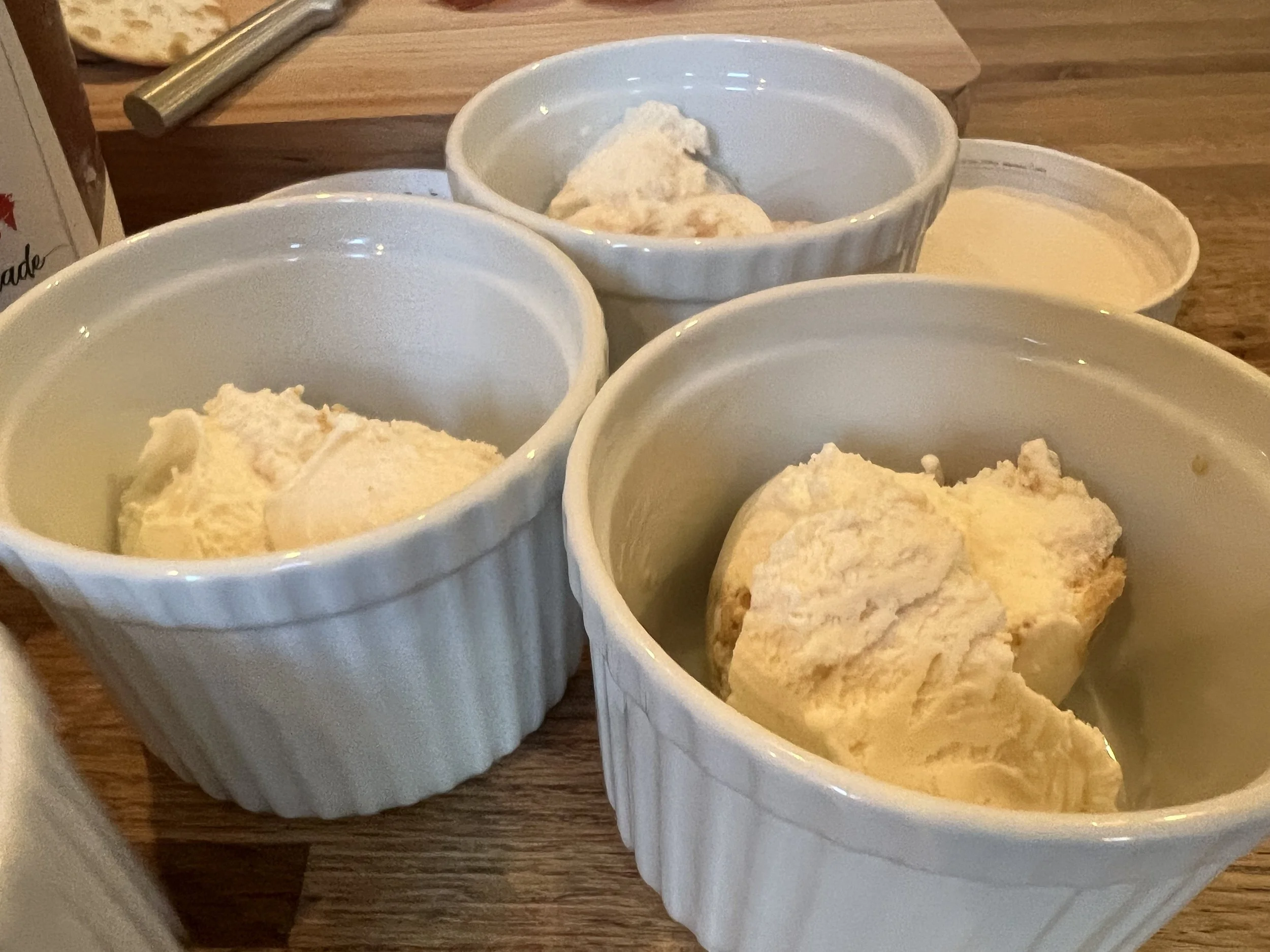
“They stopped at a teahouse. Eva ordered ice cream, which came in a big glass bowl. She said, ‘I can’t finish it.’ She held her spoon aloft, beaten. The ice cream dripped down her wrist. And Isabel, possessed by something rough and unfamiliar, briskly took her wrist and licked it off her skin. Eva pushed her away, quick, looking around.” p.157
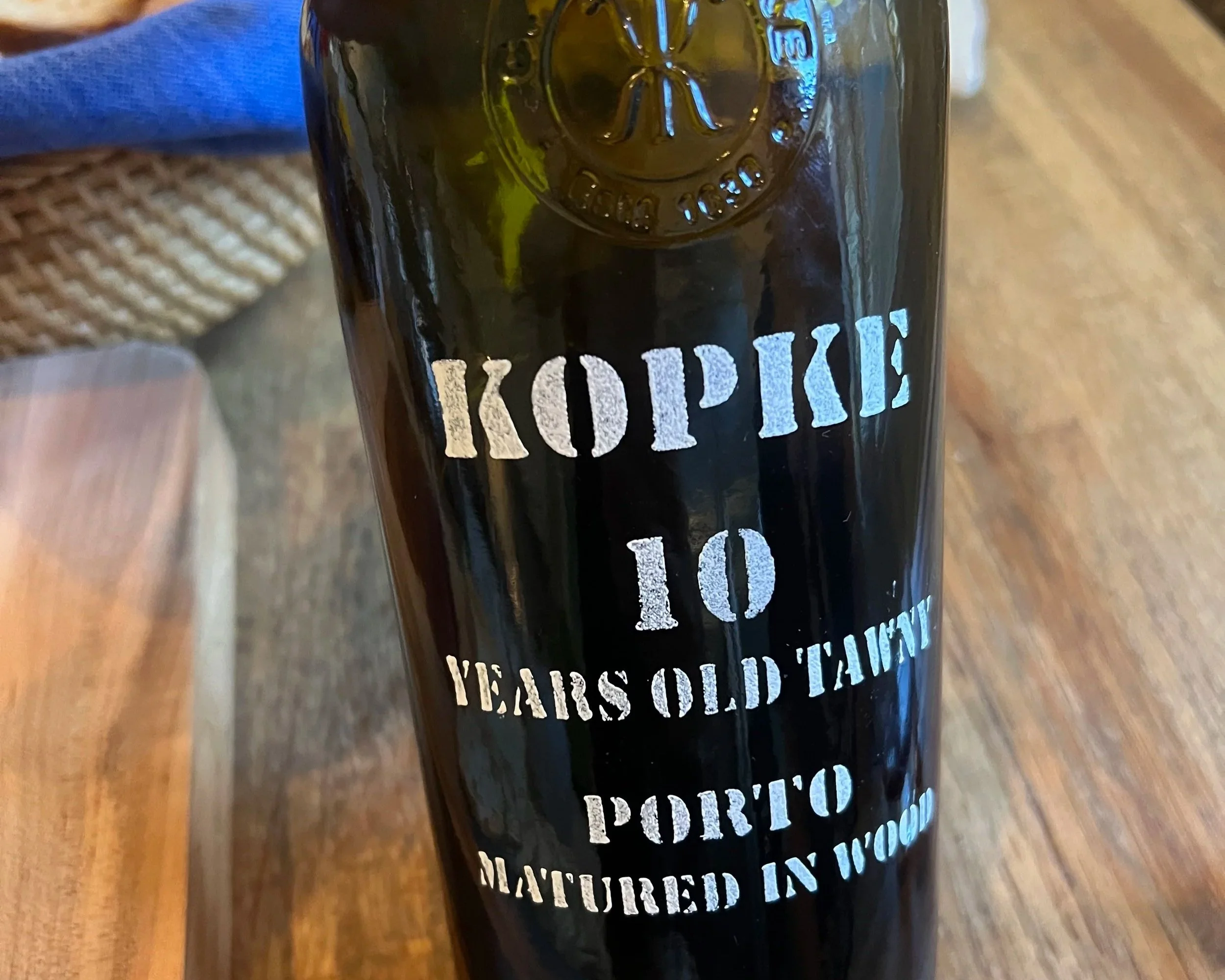
“Hendricks said, ‘Well, at least you have your home back. That must be nice.’
Isabel said nothing. They were having a glass of port, and Isabel’s stomach was empty, and the heat of it spread quickly: to her head, to her limbs. Her hands remained cold.” p. 229
“When they were leaving the restaurant, Isabel excused herself to the bathroom. She hadn’t had much wine—it always made her heavy-headed, mean—but the little but she’d had, in the humid evening, settled over her like a fever. She wet a paper towel and pressed it to her neck.” pg. 12